

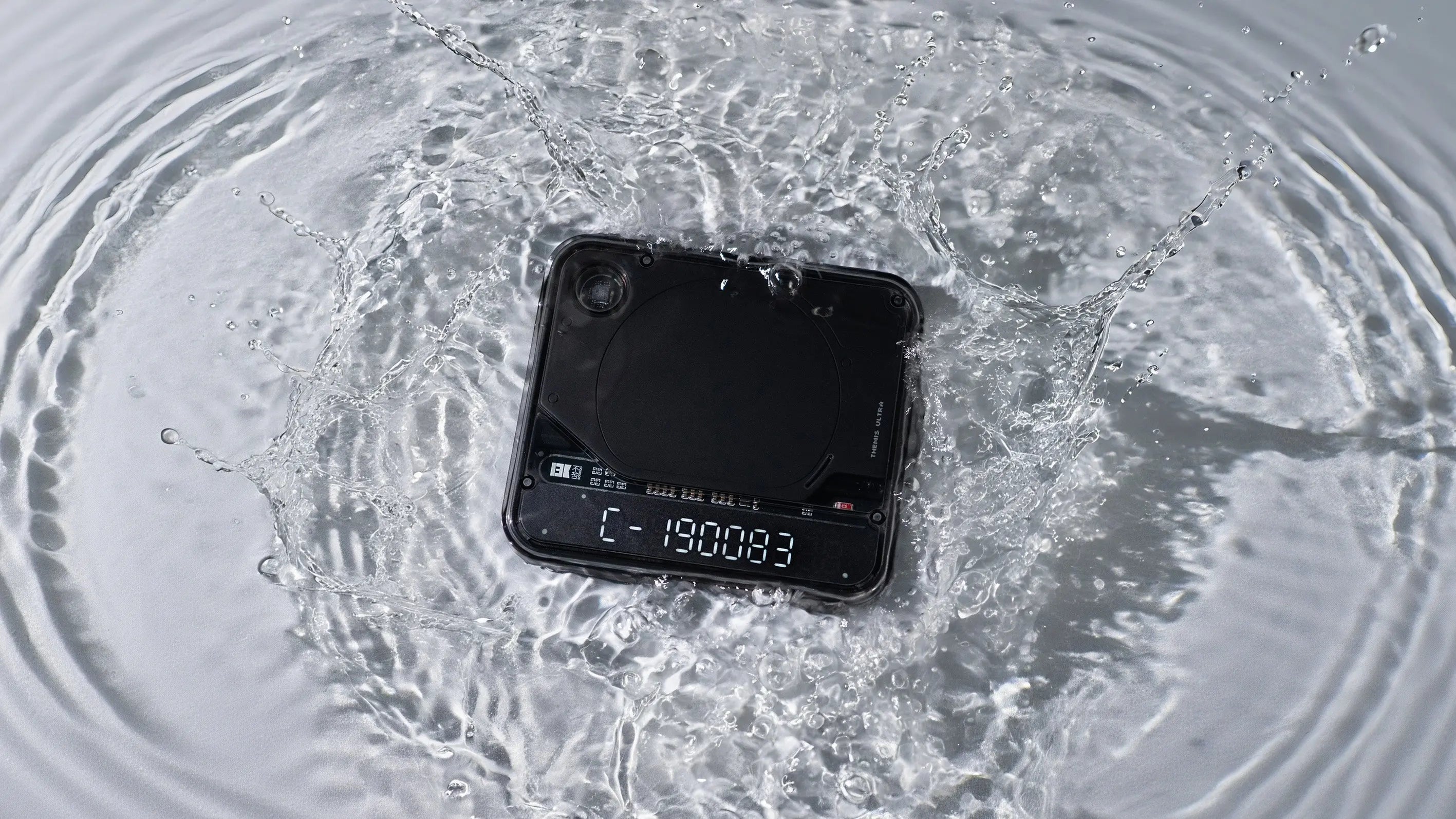
Are you striving to consistently pull the perfect shot of espresso at home? Using a dedicated scale for espresso brewing can elevate your coffee experience by ensuring precise measurement and control. Accurate weighing and timing are crucial to extracting balanced flavors and avoiding under- or over-extraction.
In this article, you'll discover why a specialized espresso scale is essential, what features to seek, and how to use it effectively to master the art of espresso brewing.
Why Use a Scale for Espresso Brewing?
Espresso depends on numbers: dose, yield, and time. When those numbers drift, flavor drifts with them. Small changes in grind size or humidity can shift extraction more than you expect.
Using a scale for espresso lets you monitor dose and yield in real time, keeping your brew ratio consistent from shot to shot. That precision removes uncertainty and builds true repeatability.
Key Features to Look for in an Espresso Scale

When selecting a scale for espresso brewing, look for must-have features such as 0.1g precision and rapid response time to capture accurate measurements instantly.
A tare function is essential for subtracting container weight, simplifying coffee dosage. Built-in timers and automatic shot timing streamline workflow and improve consistency, helping you measure both weight and time simultaneously.
Consider size and portability; mini scales fit compact home espresso setups or professional barista workstations where space is limited.
A readable digital display ensures clear visibility of measurements during brewing, while durable construction and waterproof ratings like IP67 protect your scale for long-term use.
These characteristics elevate your coffee preparation, making measurement effortless.
If you're looking for a fast-response, waterproof option built for daily brewing, explore our precision espresso scale here:
👉 Shop Themis Ultra Espresso Scale
Understanding the Three Variables of Espresso

Espresso quality hinges on three key variables: coffee dose, extraction time, and yield.
The dose is the weight of coffee grounds used, extraction time measures how long water interacts with grounds, and yield is the final weight of espresso produced.
A precise scale enables you to weigh coffee and monitor extraction duration accurately. By analyzing these numbers, you can adjust grind size—coarsen or go finer—as needed to refine taste.
How to Use a Scale for Espresso Brewing at Home

- Start by weighing your coffee grounds accurately on the espresso scale before brewing to align with your recipe's target dose.
- Place your portafilter or extraction vessel on the scale and press tare.
- As brewing begins, use the built-in timer to measure shot duration while simultaneously tracking espresso yield. (This dual measurement lets you extract the desired amount within the ideal time frame. )
- Combine this with proper tamping and even distribution of grounds for uniform extraction.
- Keep a log of each shot's data to dial in grind settings precisely, enhancing barista skills and perfecting your personal espresso recipe over time.
How an Espresso Scale Helps Improve Your Coffee Experience

- Tracking precise measurements leads to consistent espresso quality and helps refine your palate.
- Using a scale supports learning key barista skills by providing measurable feedback on coffee dose, shot time, and yield.
- Experimenting with different coffee ratios and adjusting grind settings become easier with reliable data.
- Ultimately, a scale enables data-driven brewing adjustments that transform your espresso shots into perfectly balanced, richly flavored beverages.
This tool is indispensable for anyone serious about improving their coffee preparation and enjoying great tasting espresso at home.
Common FAQs about Scales for Espresso
1. Why is a coffee scale better than a kitchen scale?
Coffee scales offer greater precision – often 0.1g accuracy compared to standard kitchen scales – which is critical for espresso dosing. They include timer functions and rapid responsiveness to track shot duration and weight changes during extraction, features typically missing in kitchen scales. This combination ensures better control over brewing variables and improved consistency.
2. What is the ideal coffee dose and shot time?
Typical espresso doses range from 16g to 20g for a double shot, with shot times between 25 to 30 seconds. Using a scale lets you dial these parameters in precisely, adjusting the grind or dose to achieve your preferred flavor profile consistently.
3. Do I need a scale if I already have a timer?
While timers monitor shot duration, scales combine timing with precise weight measurement of grounds and espresso yield. This holistic approach improves control over extraction, offering more reliable consistency than using a timer alone.
4. How often should I calibrate my espresso scale?
Regular calibration, every few weeks or when accuracy seems off, is important to maintain measurement precision. Calibration ensures your scale provides reliable data essential for replicable espresso brewing.
Summary: Elevate Your Espresso Brewing with the Right Scale
A scale for espresso is a must-have coffee tool that ensures precise measurement and consistency in every shot. Choosing the right scale can transform your coffee preparation and boost your confidence as a home barista. Start weighing and timing your shots today to unlock richer flavors and a more satisfying coffee experience.
Share:
How to Choose a Bluetooth Coffee Scale for Espresso & Pour-Over
The Ultimate Guide to Choosing the Best Pour Over Coffee Scale for Your Home Brew